

UberKul
Tire Assassin
FODS V

Dates are now set, March 15th-18th, 2012.
As much as I would like to make this start on one side of the park and end on the other I just don't think it's practical. Getting the trucks/trailers to the finish point would require too many non-riders to jockey vehicles while we play.
The Longstreet Inn and Casino (775) 372-1777 will be the primary base of operations for this assault on the desert. Those that prefer The Stagecoach in Beatty can make the 30 minute ride down to meet up for the rides.
Don Stanley (BeemerDonS) had to play poker with TWO women to get us a reduced rate at the Longstreet Casino and I appreciate your efforts sir. This rate only applies to three nights occupancy of March 15-17, 2012. If only two nights are booked it will be $10 higher per each of the categories below!
Please note the pool is closed until Memorial Day and the spa is down for maintenance. :angry:
$39.95 for a Standard Room with two queen beds on the Highway side of the property; still very quiet.
$49.95 for a Standard Room on the pond/park side of the property; also with two beds, but away from the main highway!
$59.95 for a Suite; these are really nice and swank; on the pond/park side with a King Extra Bed, fireplace and patio.
When FJR Forum Members book they must mention FODS and either throw out the name of Don Stanley or 'UberKul' Brad.
When AZ Beemers Members book they must mention Death Valley Daze 2012 and throw out the name Don Stanley or BeemerDonS.
Please post up in the original thread when you have booked a place to live for this ride and I will keep a running list of attendees.
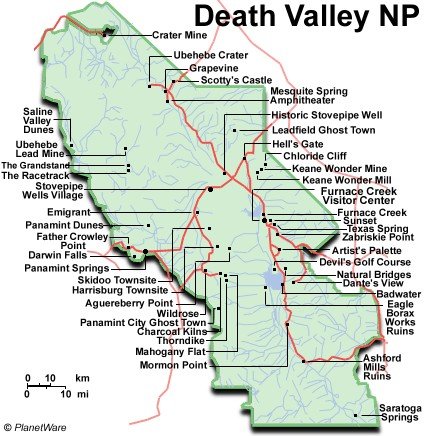
I will work up a couple rides for Friday and Saturday in the 150-200 mile range but they should all be big bike friendly with a gas stop shoved in there somewhere. VStroms etc. should be fine on all these roads with some reduced tire pressure.
These will be unsupported rides so bring food, fuel and tools to take care of yourself for a whole day out riding in varied weather conditions. There is little to no cell service in this park and any problems we have will be self rescue unless life threatening. I'm still a rookie Death Valley rider but feel free to PM me if you have any questions or concerns.
Short and long sleeve t-shirts can now be purchased here with zero mark-up over the CafePress price.
If you don't have a dual sport bike feel free to come anyway. The weather should be good but us dirty boys will have all the fun stories and mock the slaves to pavement mercilessly!
DVDazed pavement pounders
Fairlaner, street bike
dj bill, street bike
Tom and Son, street bike
marcusorelius and Duke, street bike
Jim in Phoenix
Dirty FODSies
BeemerDonS, Miss Donna and Seth, dual sport and Jeep
Jorsten, dual sport
ynotride, dual sport
OCfjr and wife, dual sports
UberKul and daughter Erin, dual sports
CAJW and son, dual sports
Bluestreek, dual sport
rcsnclh and six buddies!, dual sports
Don (Subaru Plus) Wilke and 4 buddies, dual sports
SaharaJp99 and co-worker, dual sports
AZ Beemer Mark - mnelson
Dougc, dual sport
Bugnatr, dual sport
AZ Beemer DaveO
AZ Beemer Jerry
AZ Beemer Pat Kenney
Uncategorized misfits with undisclosed or undecided means of transport. :huh:
RenoJohn
Some ride possibilities in GPX format. Click the link, go to file then download and view in your favorite map program.
FODS Day 1 162 miles
FODS Day 2 216 miles
FODS North Park 329 miles
Goler Loop 229 miles
Trona Pinnacles 301 miles

The little icon thingy for this FODS

Dates are now set, March 15th-18th, 2012.
As much as I would like to make this start on one side of the park and end on the other I just don't think it's practical. Getting the trucks/trailers to the finish point would require too many non-riders to jockey vehicles while we play.
The Longstreet Inn and Casino (775) 372-1777 will be the primary base of operations for this assault on the desert. Those that prefer The Stagecoach in Beatty can make the 30 minute ride down to meet up for the rides.
Don Stanley (BeemerDonS) had to play poker with TWO women to get us a reduced rate at the Longstreet Casino and I appreciate your efforts sir. This rate only applies to three nights occupancy of March 15-17, 2012. If only two nights are booked it will be $10 higher per each of the categories below!
Please note the pool is closed until Memorial Day and the spa is down for maintenance. :angry:
$39.95 for a Standard Room with two queen beds on the Highway side of the property; still very quiet.
$49.95 for a Standard Room on the pond/park side of the property; also with two beds, but away from the main highway!
$59.95 for a Suite; these are really nice and swank; on the pond/park side with a King Extra Bed, fireplace and patio.
When FJR Forum Members book they must mention FODS and either throw out the name of Don Stanley or 'UberKul' Brad.
When AZ Beemers Members book they must mention Death Valley Daze 2012 and throw out the name Don Stanley or BeemerDonS.
Please post up in the original thread when you have booked a place to live for this ride and I will keep a running list of attendees.
I will work up a couple rides for Friday and Saturday in the 150-200 mile range but they should all be big bike friendly with a gas stop shoved in there somewhere. VStroms etc. should be fine on all these roads with some reduced tire pressure.
These will be unsupported rides so bring food, fuel and tools to take care of yourself for a whole day out riding in varied weather conditions. There is little to no cell service in this park and any problems we have will be self rescue unless life threatening. I'm still a rookie Death Valley rider but feel free to PM me if you have any questions or concerns.
Short and long sleeve t-shirts can now be purchased here with zero mark-up over the CafePress price.
If you don't have a dual sport bike feel free to come anyway. The weather should be good but us dirty boys will have all the fun stories and mock the slaves to pavement mercilessly!
DVDazed pavement pounders
Fairlaner, street bike
dj bill, street bike
Tom and Son, street bike
marcusorelius and Duke, street bike
Jim in Phoenix
Dirty FODSies
BeemerDonS, Miss Donna and Seth, dual sport and Jeep
Jorsten, dual sport
ynotride, dual sport
OCfjr and wife, dual sports
UberKul and daughter Erin, dual sports
CAJW and son, dual sports
Bluestreek, dual sport
rcsnclh and six buddies!, dual sports
Don (Subaru Plus) Wilke and 4 buddies, dual sports
SaharaJp99 and co-worker, dual sports
AZ Beemer Mark - mnelson
Dougc, dual sport
Bugnatr, dual sport
AZ Beemer DaveO
AZ Beemer Jerry
AZ Beemer Pat Kenney
Uncategorized misfits with undisclosed or undecided means of transport. :huh:
RenoJohn
Some ride possibilities in GPX format. Click the link, go to file then download and view in your favorite map program.
FODS Day 1 162 miles
FODS Day 2 216 miles
FODS North Park 329 miles
Goler Loop 229 miles
Trona Pinnacles 301 miles
The little icon thingy for this FODS
Last edited by a moderator: